Buying Large Land in Mysuru: A 2026 Due Diligence Guide
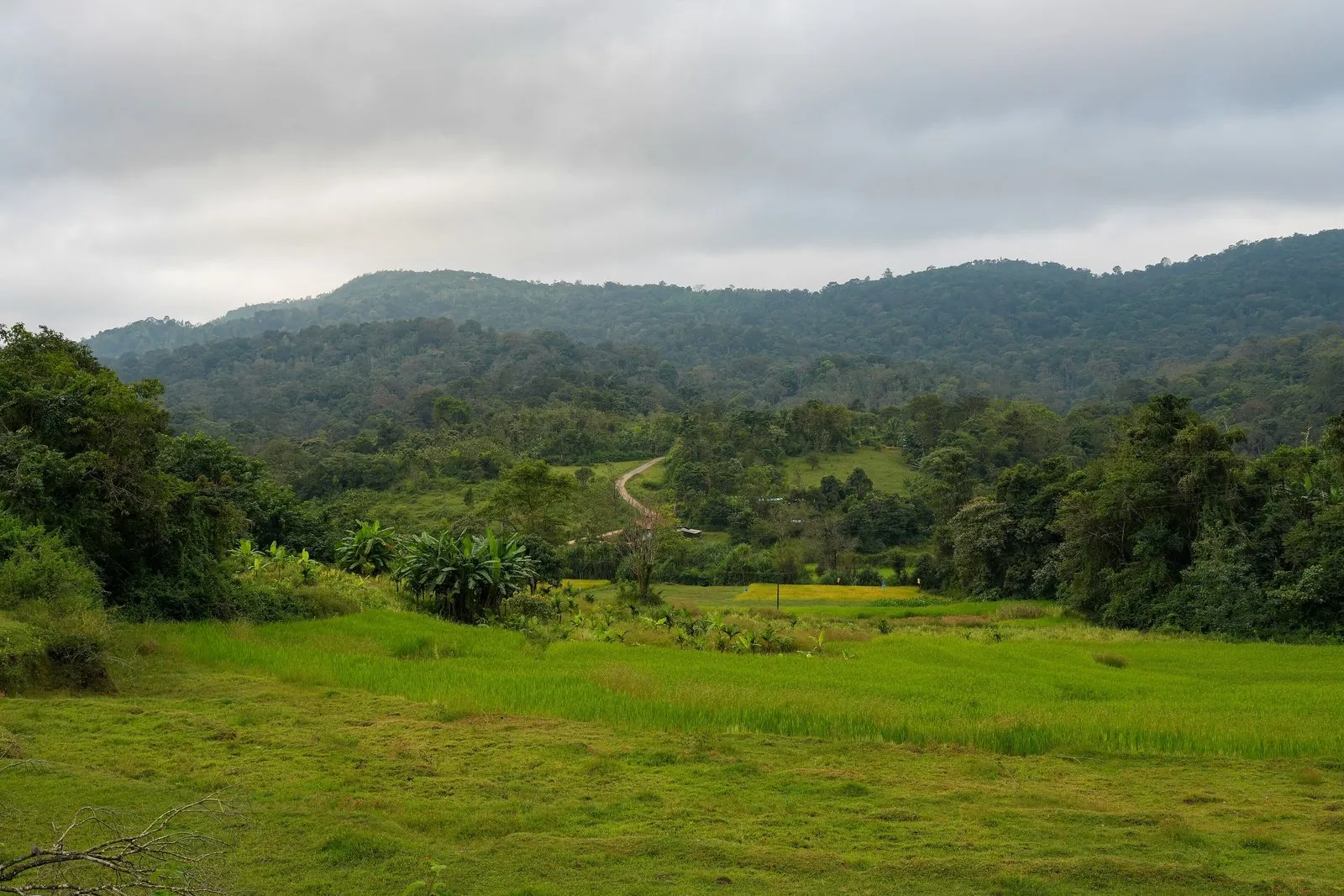
In 2016, the DAKSH Access to Justice survey of more than 9,300 litigants found that 66% had gone to court over a land or property dispute (Bar & Bench). That's why the real work of buying land happens before you pay any advance. If you plan to buy land in Mysuru, these are the checks we take our own clients through, whether they're buying five acres or fifty.
Key Takeaways
- Two in three litigants in DAKSH's 2016 survey were in court over land or property, so check the title before you buy land in Mysuru.
- Zoning and road access decide whether the land can serve your purpose at all.
- Since 31 August 2025, Karnataka charges 5% stamp duty plus a 2% registration fee.
- Pay only a token advance until your lawyer signs off.
What is land due diligence?
Land due diligence is the set of checks a buyer makes before paying for land: who really owns it, what the zoning allows, how you reach it, whether it has water and power, and whether the boundaries match the records. If you buy land in Mysuru, most of these checks use Karnataka's public land records.
Step 1: What will you use the land for?
Before you shortlist any large land for sale in Mysuru, write down what the land must do. The same parcel can suit one buyer and fail another, so your end use decides which checks matter most.
- Plotted layout: residential zoning, wide road frontage and a regular shape.
- School or hospital: a clean title, a public road and room for parking.
- Warehouse: industrial zoning, a heavy-vehicle road and three-phase power, often around Hebbal, Hootagalli or Nanjangud.
- Farm or resort: water, soil and views, in areas such as Bannur, T. Narsipura, KRS and Kabini.
Step 2: How do you check the title of land in Mysuru?
Trace every transfer of the land for at least 30 years, then match the deeds with the RTC, mutation records and encumbrance certificate. A seller holding a registered sale deed isn't enough. You need to know how that seller came to own the land, and whether anyone else can claim it.
- Mother deed and link documents: every sale, gift, partition deed and will in the chain.
- RTC (Pahani): check the owner's name, survey number and extent on the Bhoomi land records portal.
- Mutation register (MR): each transfer should appear in the revenue records.
- Encumbrance certificate: 30 years, from the Sub-Registrar or Kaveri Online, to reveal loans or earlier agreements.
- Every owner and heir: family land needs every co-owner's and legal heir's signature. In the same DAKSH survey, 53% of civil litigants were fighting their own family members.
Watch for granted land. Land granted to SC/ST families falls under the PTCL Act, and selling it without government permission can make the sale void. Inam, government and kharab land need extra checks too. With two in three court litigants fighting over land or property, a lawyer's title search is cheap insurance on a large purchase.
Step 3: What does the zoning allow on the land?
Within the Mysuru planning area, the master plan prepared by the Mysuru Urban Development Authority (MUDA) sets each zone's use: agriculture, residential, commercial, industrial or green belt. Get your survey number's zoning in writing and match it to your end use.
Farmland used for anything else needs conversion for non-agricultural use, usually through the Deputy Commissioner's office. If a seller says the land is "converted", ask for the conversion order and check it covers the full extent.
In 2020, Karnataka omitted Sections 79A and 79B of the Land Reforms Act, so non-farmers can buy agricultural land (Khaitan & Co). The state government has said it may restore limits, so confirm the current rule with your lawyer. For plot-level approvals, see our checklist for buying a plot in Mysuru.
Step 4: Does the land have proper road access?

A parcel near the Ring Road on a map may still be reached only through a cart track or a neighbour's field. Walk the route yourself. Does the road appear in the village map, or only on the ground?
- The land touches a public road shown in the village map.
- The road width suits your use. Layouts and trucks need far more than a 12-foot track.
- Any right of way through other land is written into a registered document.
- No planned road widening cuts through the parcel.
Step 5: Does the land have water and power?
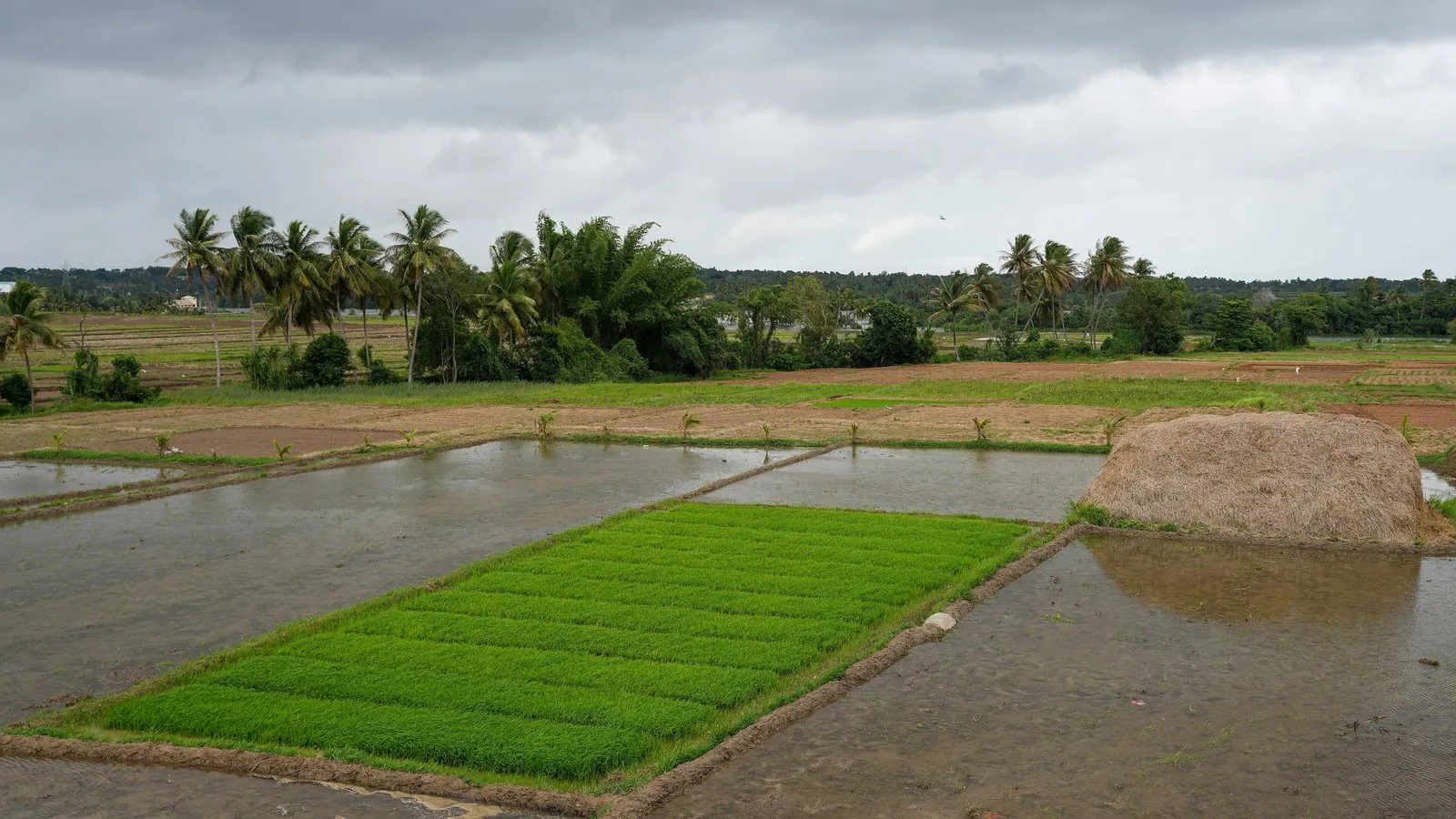
For farms, resorts and most commercial uses, water decides whether the land works at all. Ask for each borewell's depth and yield, and test the water. Near KRS and Kabini, check river and backwater limits too. Confirm a three-phase line reaches the land, and note low-lying ground that floods in the monsoon.
Step 6: Do the boundaries match the records?
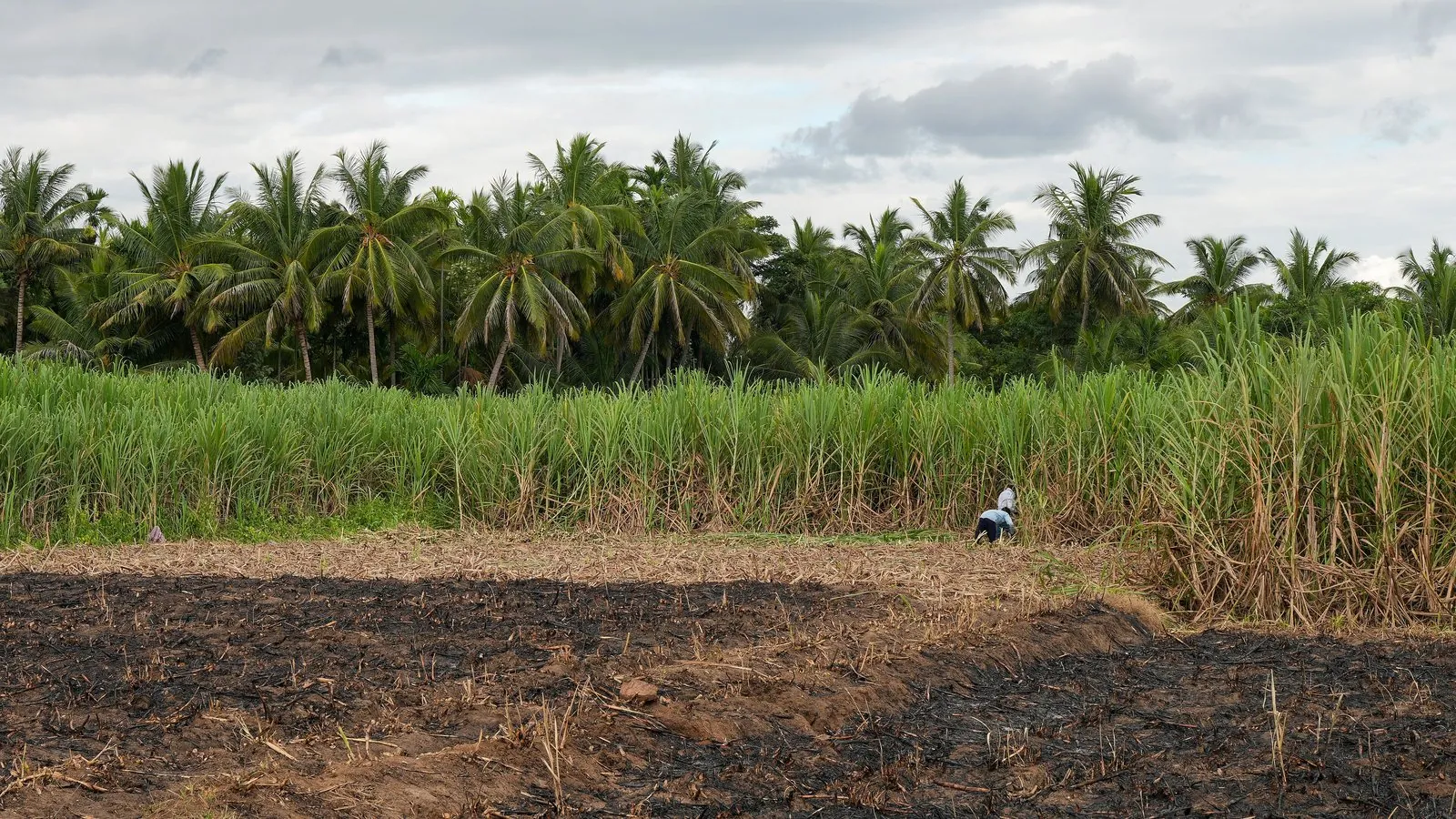
The land on the ground must match the land on paper. Hire a licensed surveyor to measure it against the 11E sketch, tippan and village map. Survey sketches can be requested through the state's Mojini portal.
- Check the total extent and each hissa or podi number.
- Locate the boundary stones and look for encroachments.
- Note streams, paths, power lines or kharab strips that reduce usable area.
If boundaries are unclear, ask the seller to complete a fresh survey before the agreement, not after. A survey costs far less than a dispute: in DAKSH's survey, 15% of litigants had already spent ₹20,000 to ₹40,000 on their case, and 72% had taken leave from work to attend court.
Step 7: What will the purchase cost, and how do you complete it safely?
From 31 August 2025, Karnataka doubled the property registration fee from 1% to 2%, while stamp duty stayed at 5% (Star of Mysore). Both are charged on the guidance value or the sale price, whichever is higher. Check guidance values with the stamps and registration department.
On a ₹1 crore parcel, the fee change adds ₹1 lakh. On a ₹5 crore estate, it adds ₹5 lakh. Banks ordinarily don't finance stamp duty and registration, so keep this cash ready (K S & K Advocates). Once the checks are clean:
- Agreement to sell: price, payment schedule, closing date and seller conditions, drafted by your lawyer.
- Bank transfers only: keep every payment traceable.
- TDS: where the price is ₹50 lakh or more, the buyer deducts 1% and deposits it with the Income Tax Department.
- Registration: register the sale deed at the Sub-Registrar office with all owners present.
- Mutation: apply to update the revenue records in your name, then check the new RTC.
Selling too? See how to sell land in Mysuru.
Land due diligence checklist at a glance
| Check | What to ask for | Who helps |
|---|---|---|
| Ownership | Mother deed, link deeds, RTC, mutation records, 30-year EC | Property lawyer |
| Zoning | Master plan zone, conversion order | Lawyer, planning office |
| Access | Road in the village map, registered right of way | Surveyor |
| Water and power | Borewell yield, water test, three-phase line | Seller, electricity office |
| Boundaries | Fresh survey against the 11E sketch and tippan | Licensed surveyor |
| Purchase | Agreement, bank payments, TDS, registration | Lawyer, chartered accountant |
Frequently asked questions
Can anyone buy agricultural land in Karnataka?
Indian residents can. In 2020, Karnataka omitted Sections 79A and 79B of the Land Reforms Act, letting non-farmers buy farmland. NRIs and OCI holders can't buy agricultural land, plantations or farmhouses under the RBI's foreign exchange rules (RBI FAQ). See our NRI services for what they can buy.
How long does land due diligence take?
For land with clean records, a lawyer's 30-year title search and a fresh survey usually take two to six weeks. Older family land with many heirs, PTCL granted land or unclear boundaries can take several months, so build that time into your plans before you agree a closing date.
Is TDS deducted when you buy land?
Yes, when the price or stamp duty value is ₹50 lakh or more: the buyer deducts 1% and deposits it. From 1 April 2026 this rule sits in Section 393(1) of the Income-tax Act, 2025, replacing Section 194-IA. Rural agricultural land is excluded, so ask your chartered accountant which applies.
Is a newspaper notice necessary before buying land?
It isn't legally required, but many buyers in Karnataka publish one in a local newspaper before registration. Given that 66% of court litigants in DAKSH's survey were fighting over land or property, it's a cheap way to invite hidden claims, from heirs or lenders, while they're still easy to fix.
Looking for large land for sale in Mysuru?
To buy land in Mysuru with confidence, fix the end use first. Then check the title, zoning, access, water and boundaries before any advance changes hands, and budget about 7% for stamp duty and registration. Coldwell Banker Avelon Realty can share verified large land parcels across Mysuru, with papers ready to review.

Avelon Realty Advisory Team
The property advisory team at Coldwell Banker Avelon Realty, the Coldwell Banker office for Mysuru and Kodagu in Vijayanagar 2nd Stage, Mysuru. Backed by a real estate brand founded in 1906, the team advises buyers, sellers and NRIs on land, estates and homes. Meet the team or ask a question.